Direct Drive Wheelbases: The Heart of the Simulator
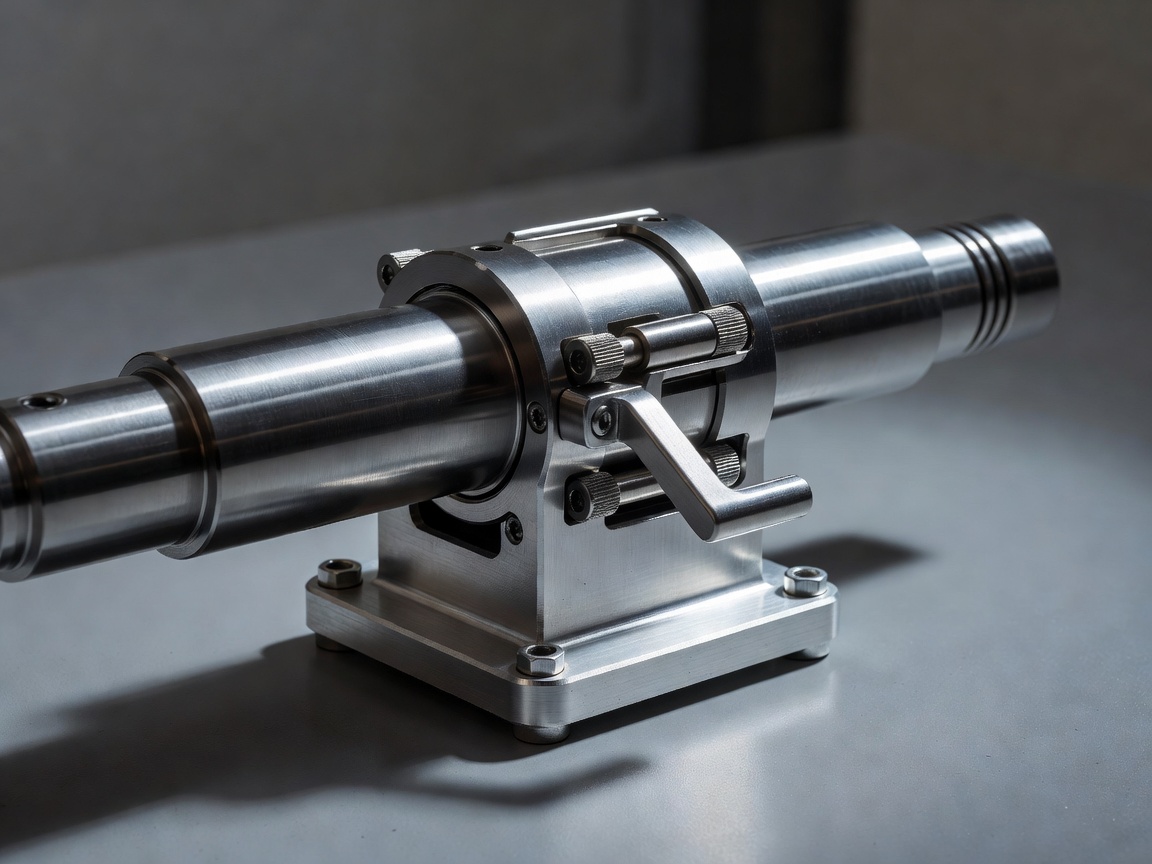
In the realm of modern sim racing, the steering wheelbase acts as the central nervous system of your rig. It is responsible for translating the complex physics calculations generated by the simulation software into physical forces that your hands can interpret. Historically, the market was dominated by gear-driven and belt-driven mechanisms. However, the paradigm has shifted dramatically toward Direct Drive (DD) technology. This guide explores the engineering, benefits, and practical considerations of direct drive wheelbases.
The Mechanics of Direct Drive
Unlike traditional wheelbases that use internal belts or gears to amplify the force of a small motor, a Direct Drive wheelbase attaches the steering wheel directly to the shaft of a large industrial-grade servo or stepper motor. This one-to-one mechanical connection eliminates the power loss, friction, and internal dampening inherently found in belt and gear systems. The result is pure, unfiltered force feedback.
Key Performance Metrics
When evaluating direct drive systems, manufacturers and reviewers rely heavily on several critical metrics that define the characteristics of the hardware:
- Holding Torque (Nm): Measured in Newton-meters, this represents the maximum continuous rotational force the motor can apply. Entry-level DD bases offer around 5 to 8 Nm, mid-range units span 9 to 15 Nm, and high-end professional motors can exceed 25 Nm. Higher torque doesn't just mean a "heavier" wheel; it means a higher dynamic range, allowing subtle details to be felt even while cornering under heavy load.
- Slew Rate: This metric dictates how quickly the motor can accelerate from zero to its maximum torque. A high slew rate translates to sharp, instant responses—crucial for feeling snap oversteer or catching a slide before the car rotates entirely.
- Encoder Resolution: The internal sensor determining the wheel's rotational position. High-resolution encoders measure position in the millions of steps per revolution, allowing for microscopic inputs to be accurately reflected in the simulation.
Benefits Over Traditional Mechanisms
The elimination of belts and gears provides an unprecedented level of detail fidelity. In a belt-driven wheel, the rubber belt acts as a damper; as it stretches slightly under load, it absorbs high-frequency vibrations. Consequently, subtle physics details—like the texture of the track surface, the exact moment the front tires lose grip (understeer), or the vibration of driving over a painted kerb—are muted.
A direct drive motor transfers these high-frequency signals instantaneously. Drivers can often feel the suspension compressing, the shift in weight balance, and the precise threshold of tire grip. This wealth of information directly correlates to driver consistency, as corrections can be made proactively rather than reactively.
Considerations Before Upgrading
While the advantages of direct drive are immense, upgrading requires holistic consideration of your entire racing ecosystem.
| Consideration | Impact on Setup |
|---|---|
| Chassis Rigidity | High-torque DD motors can literally tear a standard desk apart. A dedicated rigid aluminum profile rig is highly recommended. |
| Safety | A 20+ Nm motor possesses enough force to cause injury if a driver’s hands remain on the wheel during a virtual crash. Emergency Stop (E-Stop) buttons are standard safety features. |
| Power Requirements | Top-tier wheelbases draw significant power and often feature large, external power supply bricks that require adequate ventilation. |
Conclusion
Direct drive technology was once an elusive luxury reserved for professional racing teams and deep-pocketed enthusiasts. Today, category trends show a massive democratization of this technology, with compact, efficient DD motors dominating the entry-level to mid-range markets. If you aim to experience virtual motorsport with maximum fidelity and extract the highest level of consistent performance, transitioning to a direct drive wheelbase is the definitive hardware step.