Load Cell Pedals: The Key to Consistent Braking
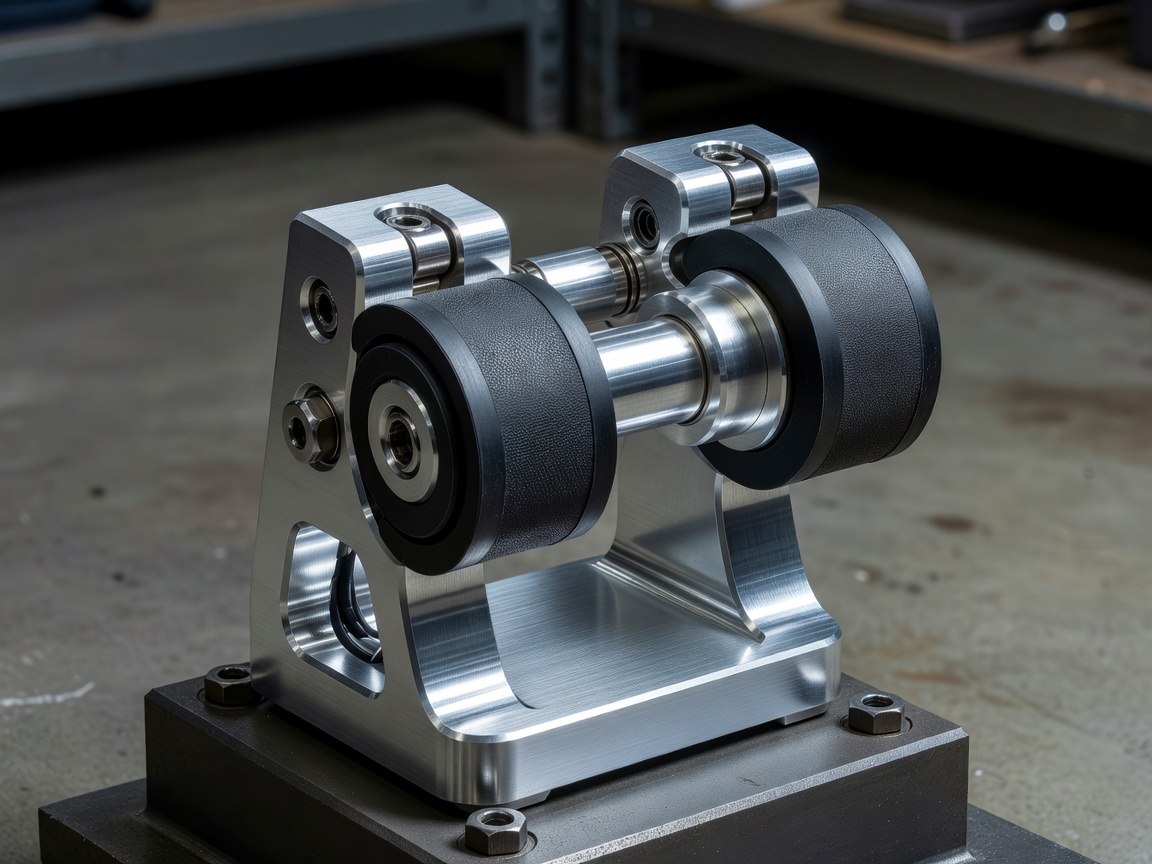
There is a common saying within the sim racing community: "A good wheelbase will make you smile, but good pedals will make you fast." In any form of motorsport, actual or simulated, braking technique is paramount. The ability to brake at the exact same marker, with the exact same pressure, lap after lap, separates novices from experts. The hardware responsible for this consistency is the load cell brake pedal.
Distance vs. Pressure
To understand the importance of a load cell, we must first look at entry-level hardware. Basic sim racing pedals use potentiometers or Hall-effect sensors. These sensors measure the distance the pedal arm has traveled. Consequently, achieving 80% braking force in the game requires you to push the pedal exactly 80% of its physical travel distance.
Human physiology, however, is poor at memorizing spatial distance with our legs. We are remarkably proficient, on the other hand, at memorizing physical pressure—known as muscle memory. In a real race car, the brake pedal barely moves; instead, it becomes extremely stiff as the hydraulic pressure builds. The driver applies braking force by pressing harder against a solid wall, not by pushing a lever further down.
How Load Cells Work
A load cell is a transducer that translates physical force into a measurable electrical output. When you press the brake pedal, the mechanical arm compresses a stack of elastomers (stiff rubber blocks) or heavy-duty metal springs against the load cell sensor. As the sensor slightly deforms under the pressure, its internal electrical resistance changes. This change is read by the electronics board and sent to the simulator software as braking input.
Customization and Elastomers
One of the significant advantages of load cell pedal sets is their adjustability. Because the sensor measures pressure rather than distance, users can completely alter the mechanical feel of the pedal without changing how the game interprets the maximum brake force.
- Elastomer Stacks: By mixing and matching elastomers of varying durometer ratings (stiffness), a driver can create a progressive brake feel. A softer initial stage can simulate the closing of the brake pad gap, followed by an immensely stiff stage simulating hydraulic pressure buildup.
- Pre-load Adjustments: Adjusting spring pre-load alters the initial force required before the pedal begins to compress, vital for drivers who tend to rest their foot heavily on the pedal.
- Software Calibration: Drivers can electronically set exactly how many kilograms of physical force equate to 100% braking in the simulation, accommodating both those who prefer a light touch and those who want to exert upwards of 100kg of force.
Beyond the Load Cell: Hydraulic Pedals
While load cells represent the standard for competitive sim racing, the premium tier of hardware ventures into actual hydraulic systems. These pedals use genuine automotive brake fluid, master cylinders, and slave cylinders. A pressure transducer measures the fluid pressure to send the signal to the game. Hydraulic setups offer the ultimate replication of a real car’s damping characteristics but come with increased maintenance requirements, such as bleeding the lines and monitoring for leaks.
Structural Considerations
A critical factor to remember is that you cannot simply place a 100kg-rated load cell pedal set on a carpeted floor. The amount of force required to depress the pedal will push an office chair backward or tilt the pedal tray entirely. Utilizing high-end pedals necessitates a rock-solid mounting solution—ideally a robust aluminum profile chassis that securely binds the driver's seat and the pedal deck together as a single rigid unit.
Upgrading to a load cell is universally considered the single most impactful hardware upgrade for lowering lap times. By relying on muscle memory rather than spatial guessing, drivers achieve the crucial consistency needed to brake later, trail-brake smoother, and hit the apex with precision.